
Location and Working Hours
Opening Hours
Tuesday – Friday: 10:00 AM – 4:30 PM
Saturday – Sunday: 10:00 AM – 5:00 PM
Closed on Monday
Sala Suuko
A gathering of artists from the upper, central, and lower Gulf of Thailand to collaboratively create contemporary artworks that open new perspectives and challenge conventional perceptions. The exhibition invites viewers to imagine and reinterpret local history in a new context, weaving together diverse cultures, traditions, and technologies into a harmonious whole.
01
SALA AO THAI
“
Waves from the Gulf – Tales from the Land’s Edge
The southern coast of the Gulf of Thailand is more than a shoreline — it is a confluence of cultures, landscapes, and beliefs flowing together through three interconnected ecosystems: freshwater, brackish water, and seawater. These waters sustain local life while nurturing a living archive of stories carried through chants, folktales, lullabies, and vernacular art.
“
Waves from the Gulf symbolizes the currents that carry these memories and voices from the seashore to “the land’s edge” — places often overlooked, yet rich in cultural diversity, vitality, and faith.
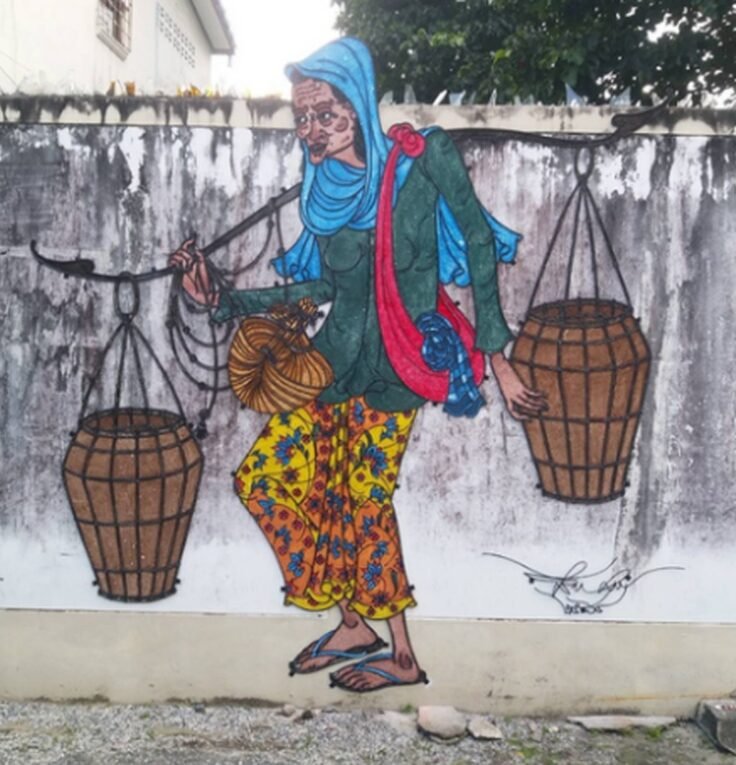
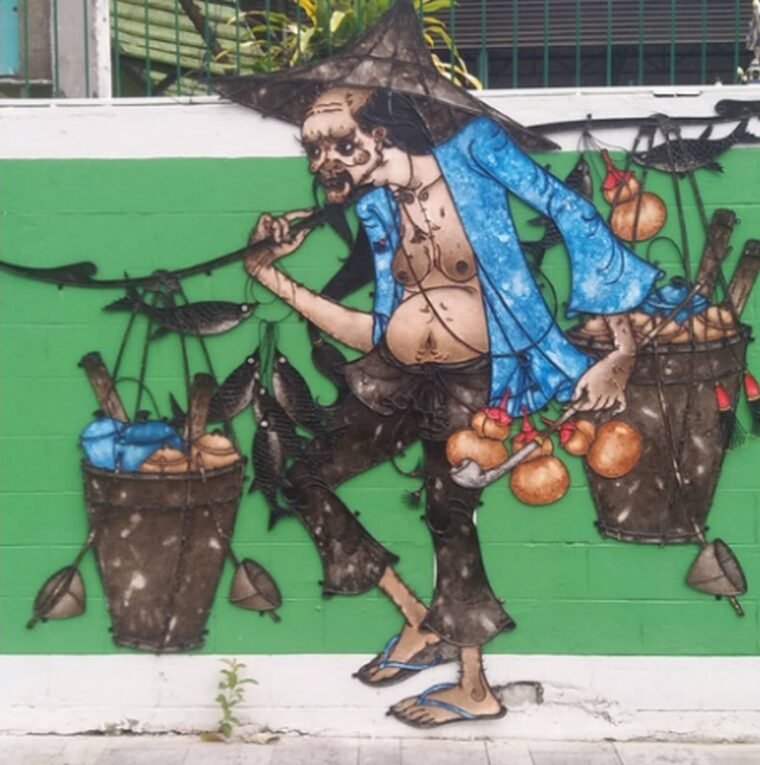
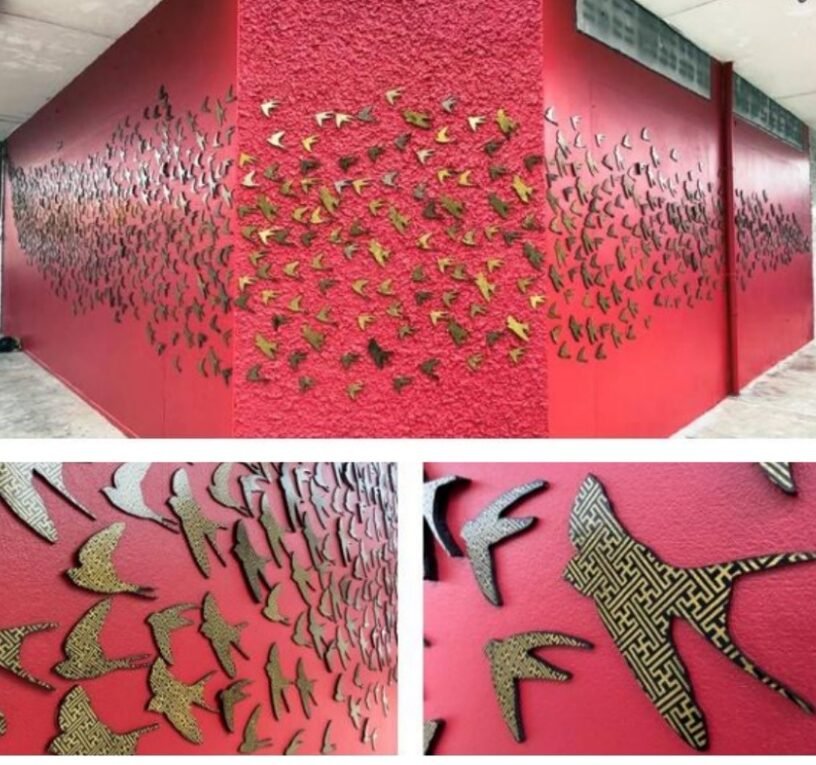
he sounds in this work are not limited to the waves or the natural world, but also include the “unheard voices” — the voices of women fisherfolk, of children in coastal communities, of change that has gone unnoticed or unacknowledged.
The installation integrates local materials such as old wooden boats, batik cloth, fishing nets, palm leaves, soil from rice fields, and seashell fragments. These are combined with field recordings, images, and scents to immerse visitors in the sensory landscape of memory and fragility.
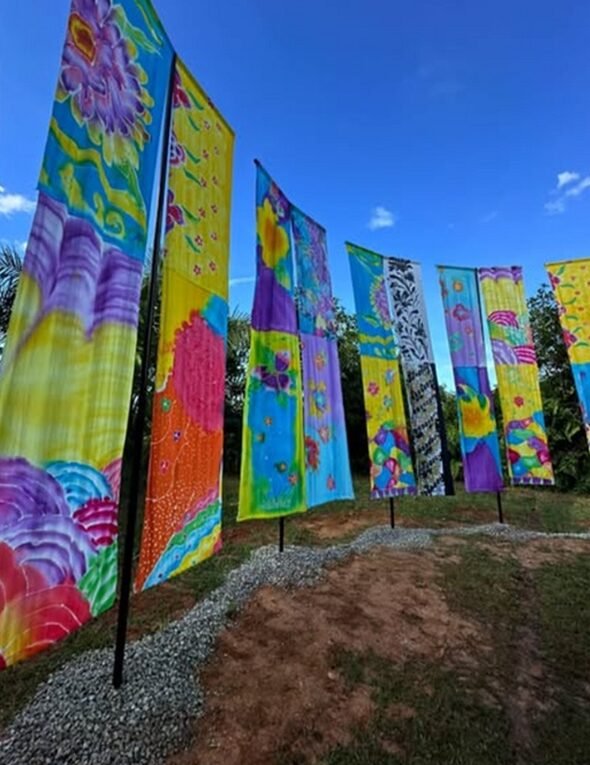
This is not merely an act of listening to nature — it is an invitation to listen to the voice of the land, and to those who continue to live in harmony with its waters and soil.
02
SALA ANDAMAN
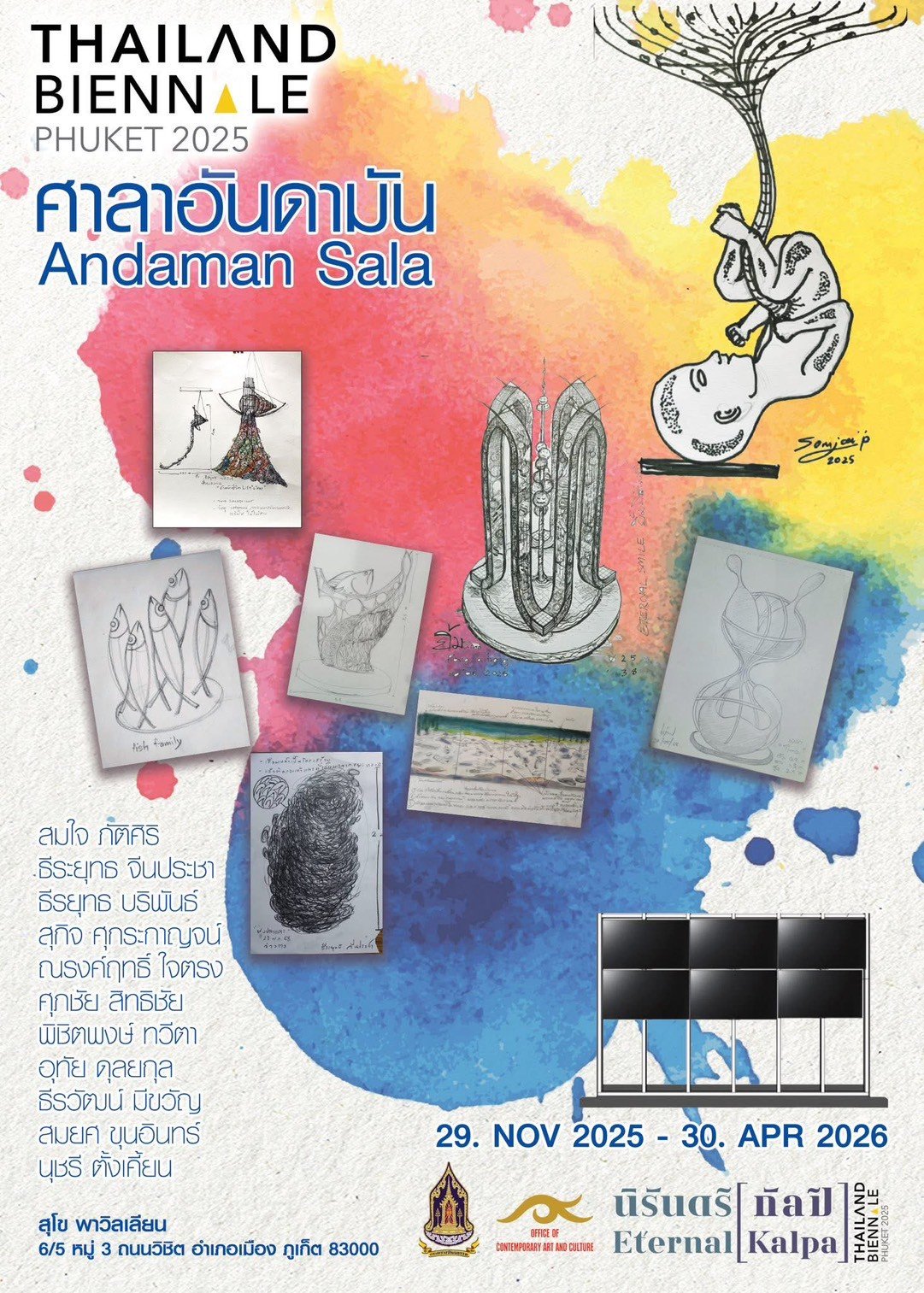
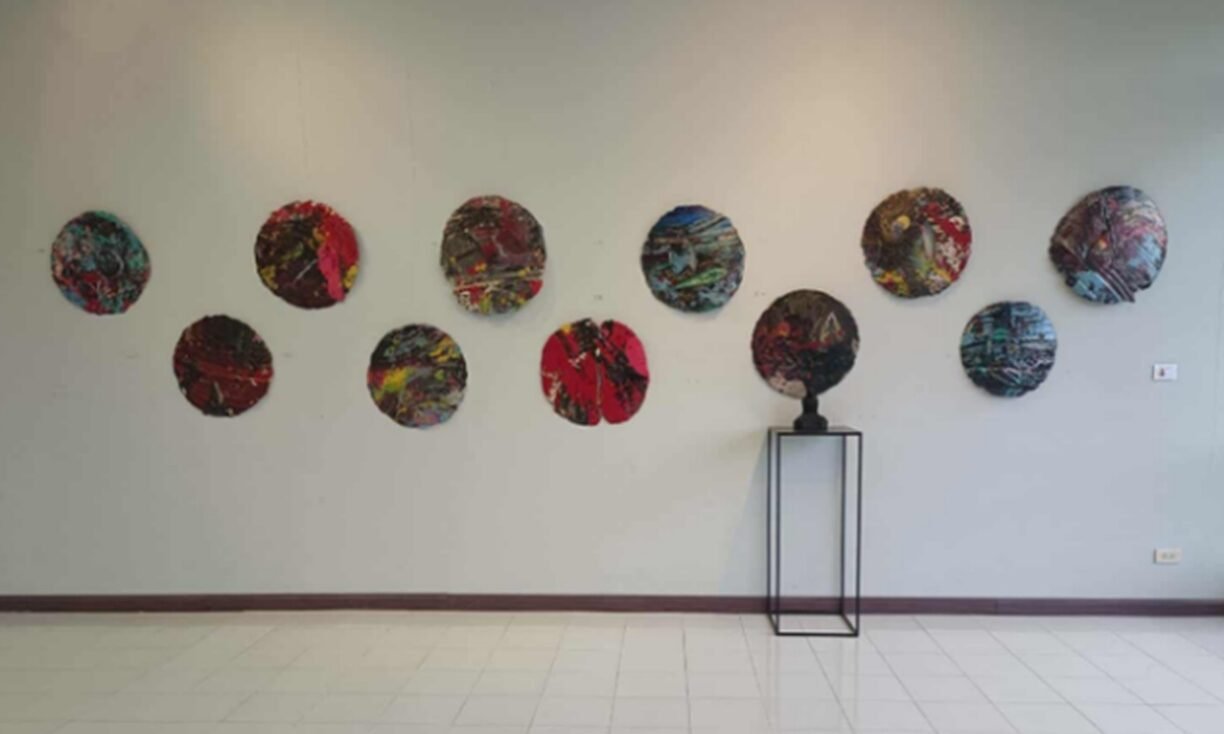
Andaman Pavilion brings together artworks by the Andaman Artists Collective, transforming marine debris from the Andaman Sea into paintings, mixed-media works, and sculptures. The exhibition seeks to raise awareness of the urgent need for environmental conservation amid the growing impact of pollution — especially the pervasive threat of plastics.
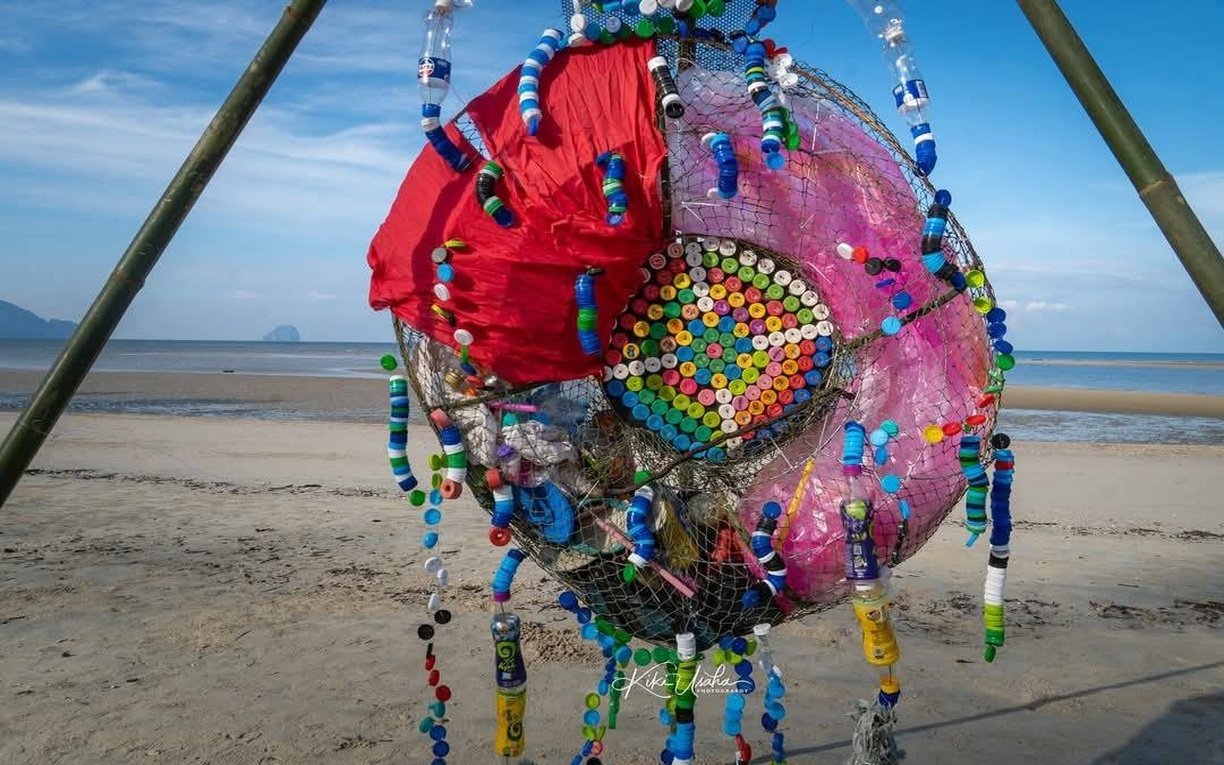
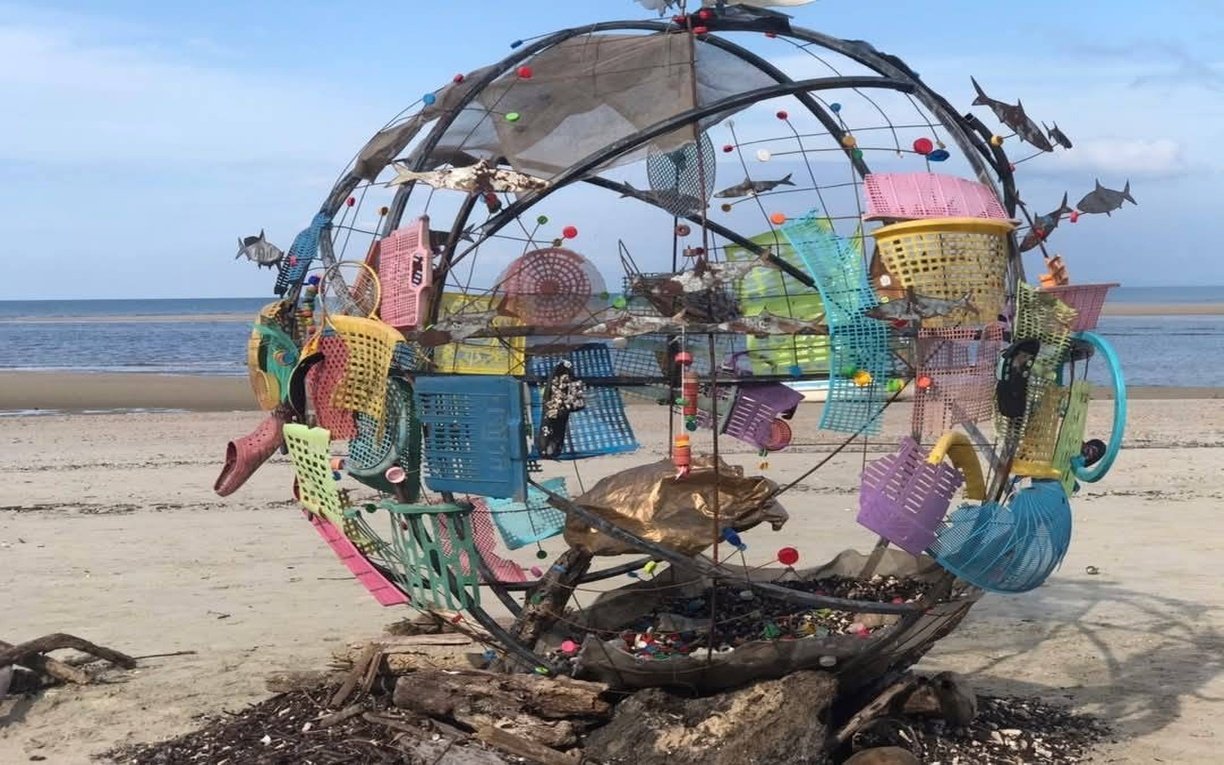
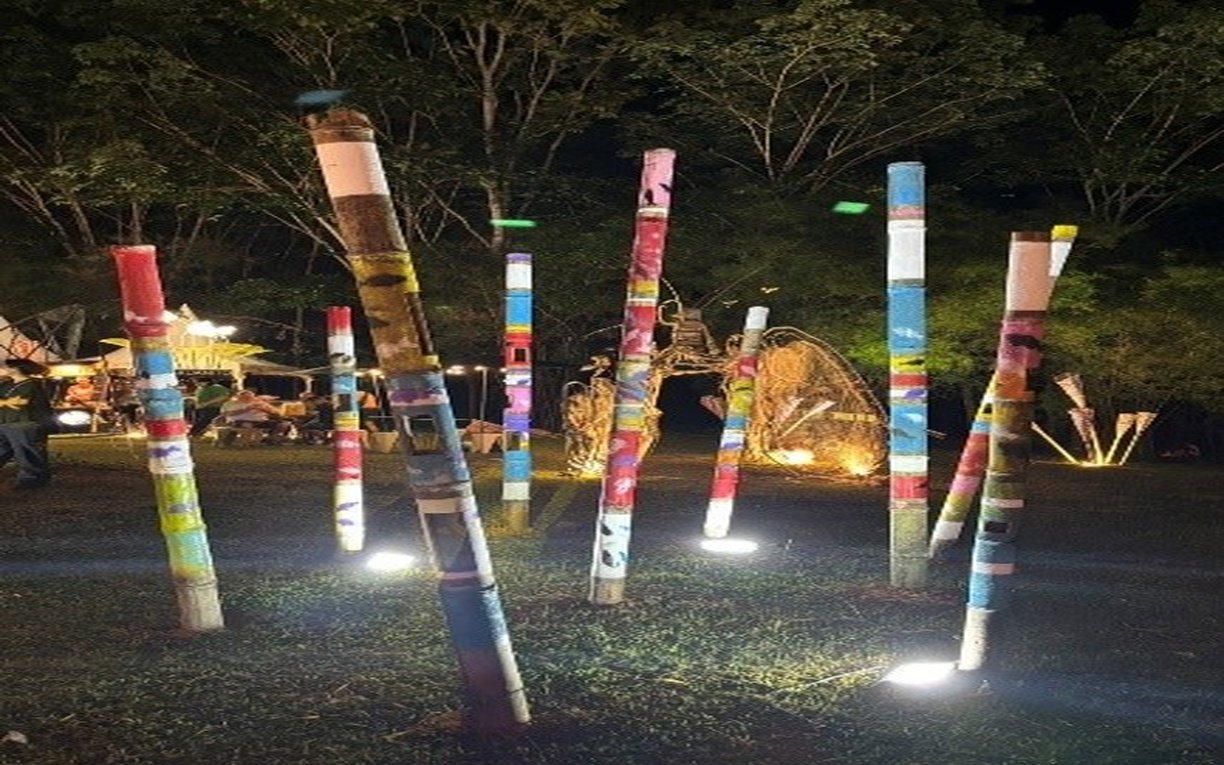
As larger plastic waste breaks down into smaller fragments and eventually into nanoplastics, these invisible particles contaminate water sources and are consumed by marine life. When humans, in turn, eat these contaminated sea creatures, the nanoplastics accumulate in our bodies — posing serious and lasting risks to human health and to the future of our planet.
Through creative transformation of ocean waste into art, Andaman Pavilion reminds us of our interconnectedness with nature — and of the critical need to protect the seas that sustain all life.
03
SALA LANNA BY ART BRIDGE CHIANG RAI

“
Inspired by the sacred Tung Phra Bot of Lanna, this artwork reflects the timeless bond between belief, faith, and the spirit of Buddhism. It transforms ancient devotion into a contemporary visual language, where light, form, and silence embody the eternal essence of faith
a faith that transcends time and remains ever radiant.
Concept of Sala Lanna
The Northern Art Pavilion under the concept of “Sala Lanna” is inspired by the identity of Lanna viharn architecture being used as a gallery space. From the past to the present, viharn, ubosot, or significant religious places in Northern Thailand, and even across the country, have been used to convey stories and artistic knowledge through mural paintings. These murals serve as sources of wisdom, community life, and subtle representations of local history.
Sala Lanna therefore aims to gather artworks by Lanna artists from the eight northern provinces into one pavilion (using a Thai-style building), and creatively design the interior by relating contemporary paintings to traditional “Phra Bot” hanging scrolls or paintings of the Buddha used in religious or local Lanna rituals. These elements are reinterpreted and arranged, hung, and connected throughout the building to create visual interest, using paintings by Northern artists presented through contemporary techniques and methods. The pavilion environment is designed to evoke the feeling of bringing Lanna art and culture into Phuket, presented through a new and distinctive curatorial approach.
Technique and Method of Production
The exhibition consists of paintings by artists from Northern Thailand on canvas resembling traditional Lanna “Phra Bot” scroll paintings, along with an exhibition of artworks relating to the concept of “Nirand Kalpa,” which is the theme of the Thailand Biennale, Phuket 2025. The presentation is expressed through contemporary art combined with Lanna-style narrative identity.
04
SALA ORK LAE BY EESARN ARTIST ASSOCIATION
“
Before Time :
The Sim of Emerging Faith
Isan Sim
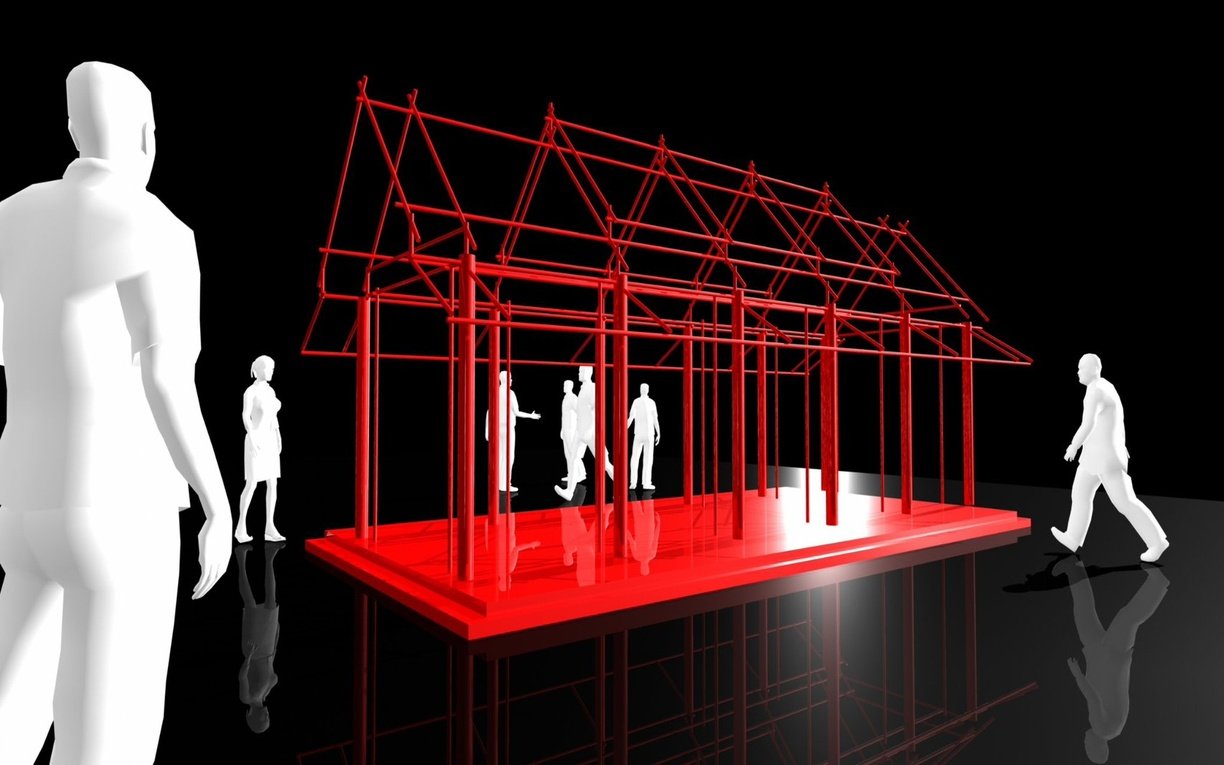
Before Time does not refer to a historical period but to a state before time began to turn — a condition of “emptiness in formation,” where meaning has yet to emerge, but the force of faith has already begun to move and take shape as culture.
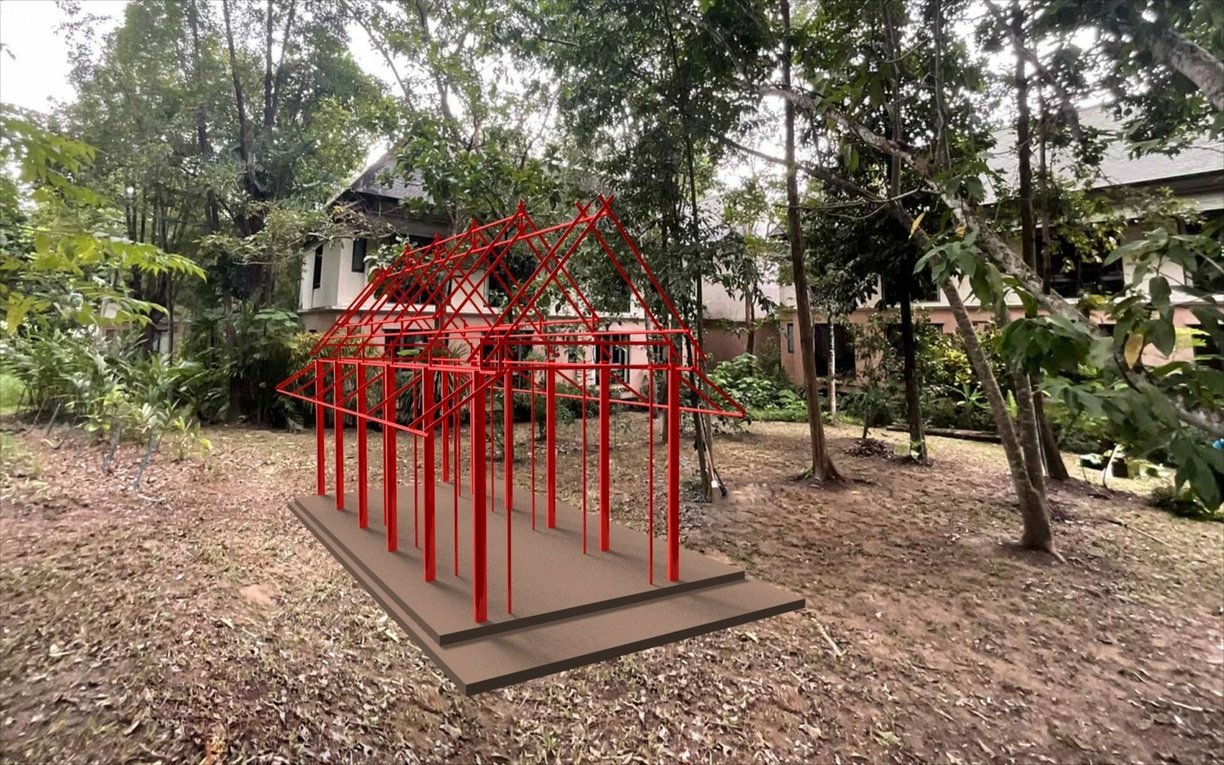
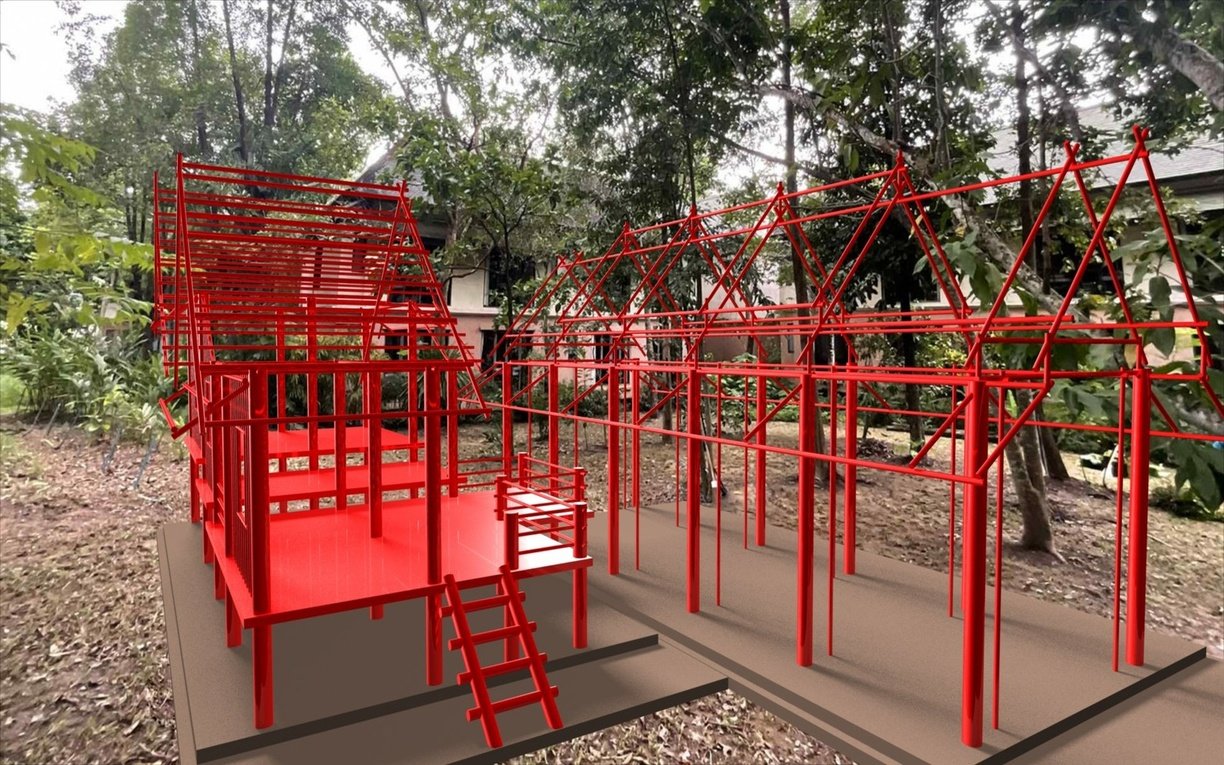
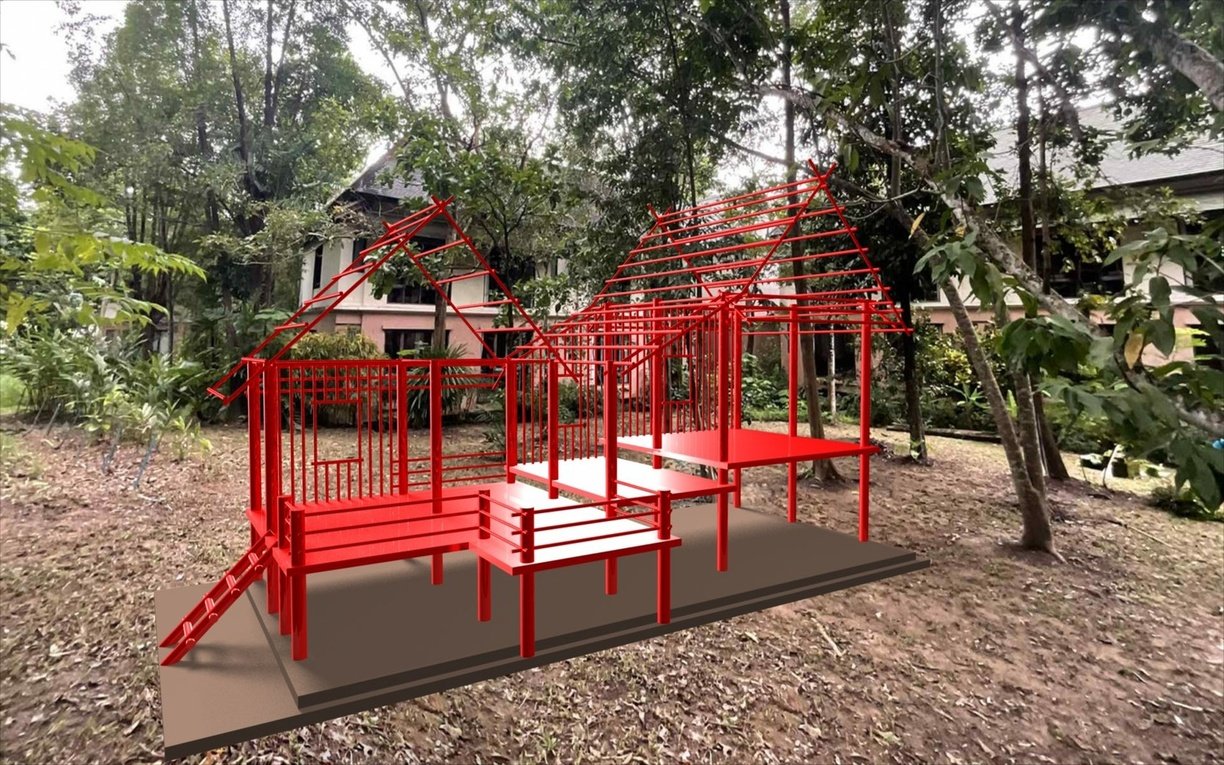
The bare wooden frame of the Isan Sim (ordination hall), stripped of its walls and ornaments, represents a return to the prototype of the temple — not as architecture, but as a vessel of faith. Here, the Sim is no longer a defined structure, but a space unbounded by the divisions of religion–art–life. When its walls disappear, leaving only its skeletal form and void, viewers encounter “the spirit before definition” — as if walking through the moment before religion existed, before rituals took form.
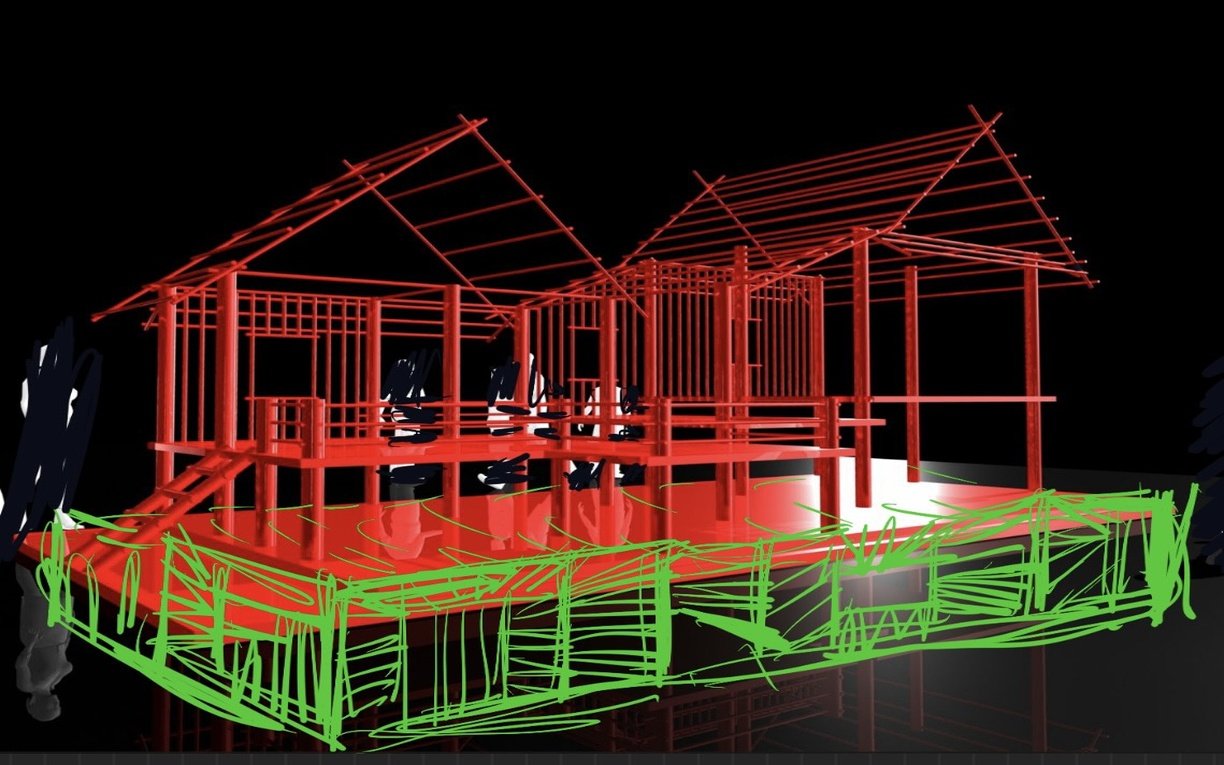
The Isan house depicted alongside it represents the “house before the house” — not yet architecture, not yet memory — but the state of becoming.
Isan House
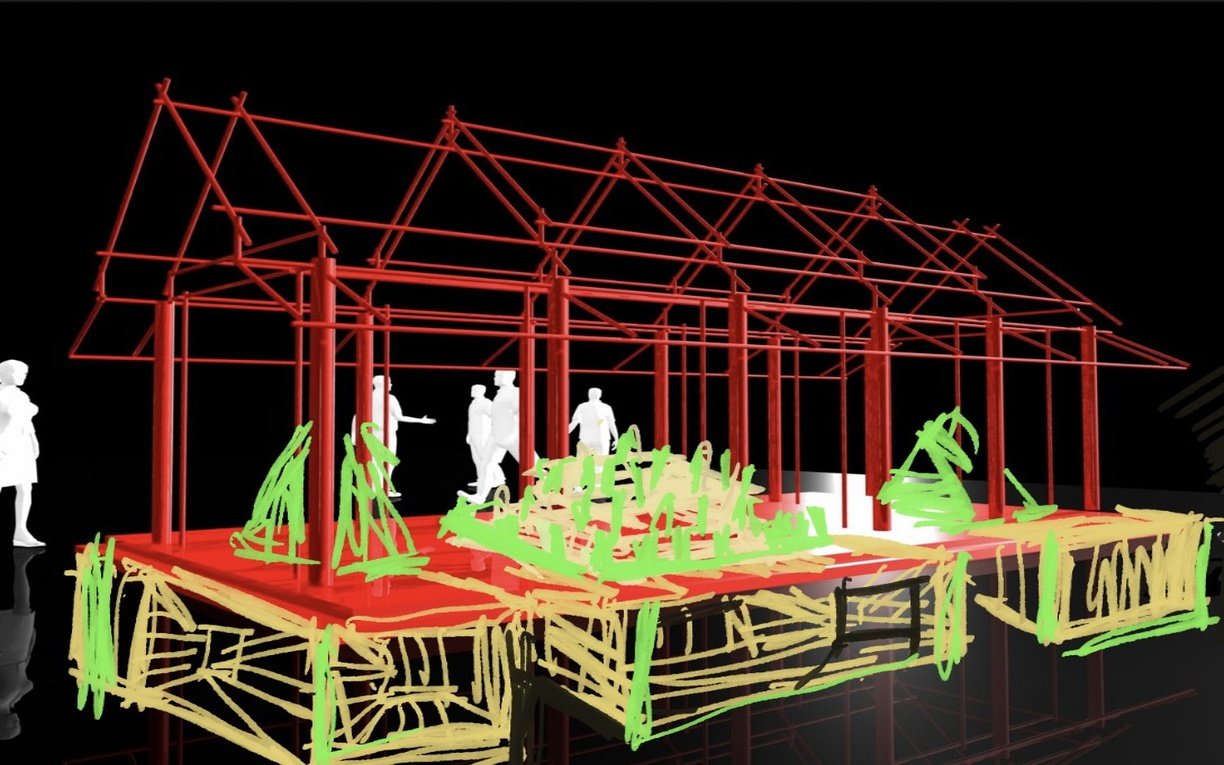
In this part, Before Time signifies the threshold where memory begins to crystallize into culture. The red lines evoke the energy of the past striving to appear, while the green base signifies the emergence of the natural world — a world not yet divided into past or future.
Form and Composition
- Isan Sim : features over one hundred terracotta Buddha figures placed within a skeletal wooden structure elevated 130 cm above the ground, allowing visitors to walk through it. The installation integrates natural sounds and chanting that respond as people move through the space.
- Isan House : designed as a raised wooden house, elevated 150 cm, with khaen (Isan reed instruments) suspended as mobile sculptures. Visitors can walk underneath and around the space, where video projections tell stories of Isan life, rituals, traditions, and the journeys of displaced Isan people who found new homes by the sea.